India-Pakistan relations
Bridging the Divide: Understanding India-Pakistan Relations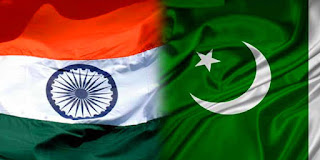
Introduction:
India and Pakistan share a complex and volatile relationship, characterized by conflict, tension, and occasional attempts at reconciliation. The two neighboring countries have fought several wars, engaged in proxy conflicts, and continue to engage in a nuclear arms race. The dispute over the territory of Kashmir remains a major point of contention, with both countries claiming the region in its entirety. Despite multiple attempts at peace talks and diplomatic efforts, the conflict between India and Pakistan shows no signs of abating, and the security situation in the region remains fragile.
Historical Background:
The roots of the India-Pakistan conflict can be traced back to the British colonial era, when the Indian subcontinent was under British rule. In 1947, the British government decided to partition India along religious lines, creating the Muslim-majority state of Pakistan and the Hindu-majority state of India. The partition led to widespread violence and displacement, with millions of people forced to migrate to their respective countries.
Causes of Conflict:
The India-Pakistan conflict is rooted in several complex factors, including ideological differences, territorial disputes, water sharing, and cross-border terrorism. Both countries have a strong sense of nationalism, with India asserting its status as a secular democracy and Pakistan defining itself as an Islamic state. The territorial dispute over the region of Kashmir has been a major flashpoint between the two countries, with both sides claiming the area in its entirety. Additionally, disputes over water resources, particularly the sharing of rivers, have also been a source of tension. Pakistan has accused India of supporting cross-border terrorism and separatist movements in its territory.
Indo-Pakistani Wars:
The India-Pakistan conflict has led to several full-scale wars between the two countries, with the first war fought over the region of Kashmir in 1947-48. The second war took place in 1965, and the third in 1971, which resulted in the formation of Bangladesh. The Kargil war in 1999 was a limited conflict between the two countries, fought over the disputed territory of Kashmir.
Nuclear Proliferation and Arms Race:
India and Pakistan both possess nuclear weapons, and the development and deployment of nuclear weapons by both countries has contributed to an arms race in the region. The risk of nuclear war remains a significant concern, with both countries engaging in a policy of nuclear deterrence.
Diplomatic Efforts to Resolve the Conflict:
Over the years, India and Pakistan have engaged in several diplomatic efforts to resolve the conflict between them. The Shimla Agreement of 1972 and the Lahore Declaration of 1999 were important milestones in the peace process, although the agreement was not fully implemented. The Agra Summit of 2001 and the Composite Dialogue process were other attempts at reconciliation, although these were largely unsuccessful. In recent years, there have been attempts at backchannel diplomacy to improve relations between the two countries.
Economic and Trade Relations:
Despite the conflict, India and Pakistan maintain economic and trade relations. Both countries are members of the South Asian Association for Regional Cooperation (SAARC), which aims to promote regional integration and economic cooperation.
The Way Forward:
To resolve the India-Pakistan conflict, both countries need to engage in sustained dialogue and diplomatic efforts. Resolving the Kashmir dispute remains a crucial component of the peace process, and both sides need to address their concerns and interests in a mutually acceptable manner. Promoting people-to-people contact, cultural exchange, and strengthening track-II diplomacy can also help to build trust and improve relations between the two countries. Addressing security concerns and terrorism, and improving economic cooperation and integration can also contribute to improving the security situation in the region.
Conclusion:
The India-Pakistan conflict remains one of the most complex and long-standing disputes in the world, with no easy solutions.

Introduction:
India and Pakistan share a complex and volatile relationship, characterized by conflict, tension, and occasional attempts at reconciliation. The two neighboring countries have fought several wars, engaged in proxy conflicts, and continue to engage in a nuclear arms race. The dispute over the territory of Kashmir remains a major point of contention, with both countries claiming the region in its entirety. Despite multiple attempts at peace talks and diplomatic efforts, the conflict between India and Pakistan shows no signs of abating, and the security situation in the region remains fragile.
Historical Background:
The roots of the India-Pakistan conflict can be traced back to the British colonial era, when the Indian subcontinent was under British rule. In 1947, the British government decided to partition India along religious lines, creating the Muslim-majority state of Pakistan and the Hindu-majority state of India. The partition led to widespread violence and displacement, with millions of people forced to migrate to their respective countries.
Causes of Conflict:
The India-Pakistan conflict is rooted in several complex factors, including ideological differences, territorial disputes, water sharing, and cross-border terrorism. Both countries have a strong sense of nationalism, with India asserting its status as a secular democracy and Pakistan defining itself as an Islamic state. The territorial dispute over the region of Kashmir has been a major flashpoint between the two countries, with both sides claiming the area in its entirety. Additionally, disputes over water resources, particularly the sharing of rivers, have also been a source of tension. Pakistan has accused India of supporting cross-border terrorism and separatist movements in its territory.
Indo-Pakistani Wars:
The India-Pakistan conflict has led to several full-scale wars between the two countries, with the first war fought over the region of Kashmir in 1947-48. The second war took place in 1965, and the third in 1971, which resulted in the formation of Bangladesh. The Kargil war in 1999 was a limited conflict between the two countries, fought over the disputed territory of Kashmir.
Nuclear Proliferation and Arms Race:
India and Pakistan both possess nuclear weapons, and the development and deployment of nuclear weapons by both countries has contributed to an arms race in the region. The risk of nuclear war remains a significant concern, with both countries engaging in a policy of nuclear deterrence.
Diplomatic Efforts to Resolve the Conflict:
Over the years, India and Pakistan have engaged in several diplomatic efforts to resolve the conflict between them. The Shimla Agreement of 1972 and the Lahore Declaration of 1999 were important milestones in the peace process, although the agreement was not fully implemented. The Agra Summit of 2001 and the Composite Dialogue process were other attempts at reconciliation, although these were largely unsuccessful. In recent years, there have been attempts at backchannel diplomacy to improve relations between the two countries.
Economic and Trade Relations:
Despite the conflict, India and Pakistan maintain economic and trade relations. Both countries are members of the South Asian Association for Regional Cooperation (SAARC), which aims to promote regional integration and economic cooperation.
The Way Forward:
To resolve the India-Pakistan conflict, both countries need to engage in sustained dialogue and diplomatic efforts. Resolving the Kashmir dispute remains a crucial component of the peace process, and both sides need to address their concerns and interests in a mutually acceptable manner. Promoting people-to-people contact, cultural exchange, and strengthening track-II diplomacy can also help to build trust and improve relations between the two countries. Addressing security concerns and terrorism, and improving economic cooperation and integration can also contribute to improving the security situation in the region.
Conclusion:
The India-Pakistan conflict remains one of the most complex and long-standing disputes in the world, with no easy solutions.
Comments
Post a Comment
"Welcome to The Indian Democracy, where we examine India's political process and strive to understand and improve our democracy. We're glad you're here and hope you find our content informative and thought-provoking. We welcome your comments and feedback, and encourage you to join the conversation. Whether you have a question, suggestion, or just want to share your thoughts on a particular post, we value your input and appreciate your participation in our community. So please feel free to leave a comment and share your perspective. Thank you for being a part of The Indian Democracy!"